Hello, stdout.
Why I'm writing here and what you can expect from this space.
Every program has a stdout ; a place where it tells you what it’s actually doing, somewhere between the polished surface and the internal mess of logs. That’s the idea here.
 Photo by Alesia Kazantceva on Unsplash
Why this exists
I spend a lot of time thinking. About systems, about tradeoffs, about why the elegant solution rarely shows up until the third attempt. Most of that thinking happens in notepads, whiteboards, and long walks ; and then disappears.
This blog is where it doesn’t disappear. It’s a place to write down ideas before they evaporate, document problems I spent too long solving so the next person (or future me) doesn’t have to, and put thoughts into sentences long enough to find the gaps in them.
That’s it, really. No grand mission. Just a consistent output stream.
What gets written here
The work I do sits across a lot of territory. AI and machine learning, cloud infrastructure, databases, distributed systems, enterprise architecture. The range is wide enough that I rarely run out of things to think about, which is both a gift and a curse.
 Photo by J. Kelly Brito on Unsplash
Expect posts about:
- Problems I’ve hit and how I worked through them ; real cases, not textbook examples
- Ideas worth testing ; things that seem obvious once stated, but aren’t
- Design tradeoffs in systems that actually have to run in production
- Tools and patterns that have proved their worth (and some that haven’t)
- Occasionally something that has nothing to do with any of the above
The tone will be direct. I’d rather be useful than impressive.
The systems underneath everything
There’s something I keep coming back to: the most interesting work is rarely about the technology itself. It’s about what the technology is supposed to solve, and for whom. A machine learning model that automates a financial workflow is only as good as your understanding of the workflow. A microservices architecture is only useful if the teams running it can actually reason about it.
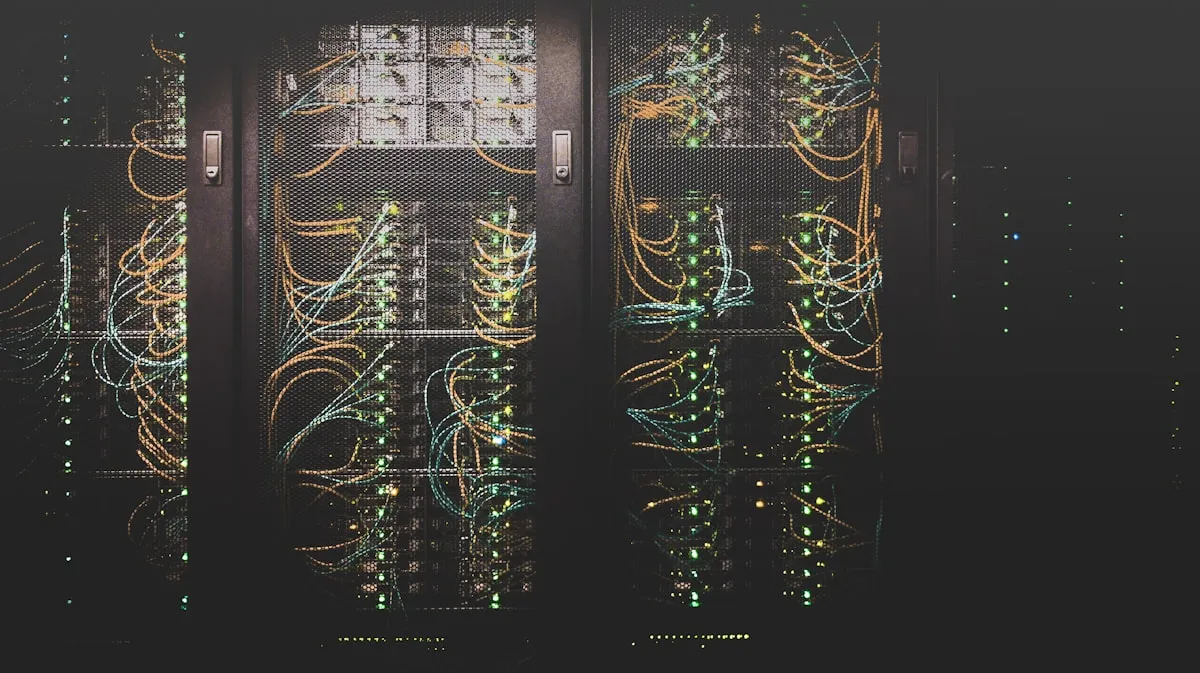 Photo by imgix on Unsplash
I’ve had the chance to work on both sides of that ; the deep technical work and the human side of translating it across teams, languages, and whiteboard sessions. Both matter. Both will show up here.
If something I write is useful, wrong, or worth arguing about ; the linkedIn link at the bottom of this page is real.
See you in the next one.